







Search Results for: Coffee Ground to Water Ratio
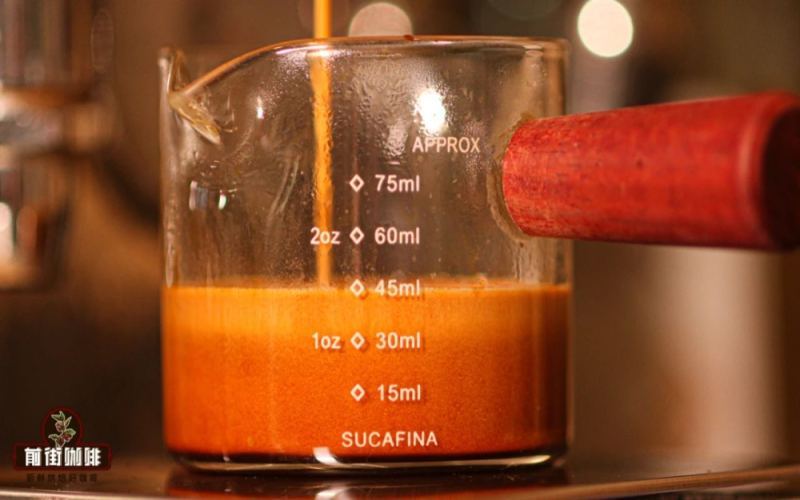
Home American Drip Coffee Maker Operation Guide: Coffee-to-Water Ratio, Grind Size, and Coffee Bean Selection Tips
To easily make a delicious cup of American coffee at home, a drip coffee maker is a highly cost-effective choice. This article starts with the two methods of making American coffee, focusing on the structure of a household American drip coffee maker, the standard operating procedure, the scientific basis of the 1:18.18 Golden Cup coffee-to-water ratio, and the impact of grind size on extraction. At the same time, for different taste preferences, specific recommendations are given for Front Street Coffee brand coffee beans, including sun-dried Huakui, washed Huahudie, Queen's Manor Brazil, Strawberry Candy, Classic Espresso Blend, and Golden Mandheling, and uses Strawberry Candy as an example to fully demonstrate the drip brewing process, helping coffee enthusiasts get started quickly. [more…]
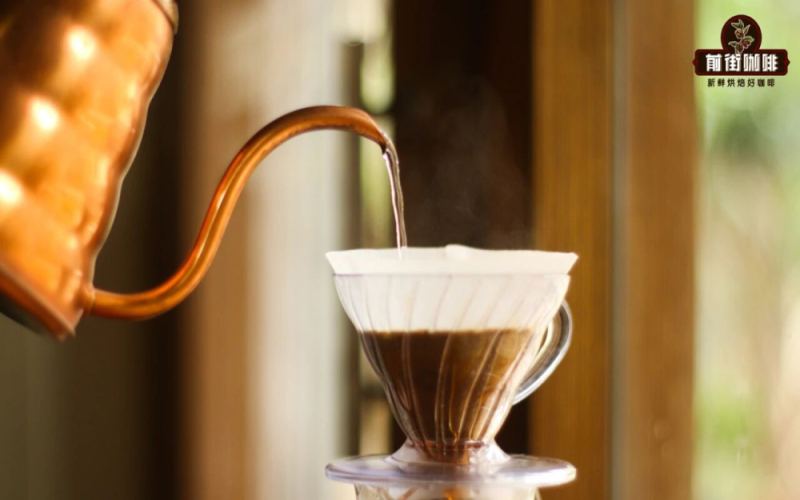
How to Determine the Coffee-to-Water Ratio for Pour-Over? Freshly Ground, Affordable Small-Pack Coffee Beans Recommendation List
To brew a great cup of coffee at home, choosing fresh coffee beans is the first step, and mastering the coffee-to-water ratio is the key. This article starts with the freshness of coffee beans, recommends 5 affordable small-bag coffee beans freshly roasted by Front Street Coffee, covering Huakui, Mandheling, Strawberry Candy, Cerrado Red Bourbon, and Sidra, and explains in detail the meaning and impact of the pour-over coffee-to-water ratio. Finally, using Golden Mandheling as an example, it provides complete brewing parameters and a step-by-step demonstration to help you understand how water volume influences coffee concentration and flavor expression. [more…]
American Drip Coffee Maker Operation Guide: Iced Americano Black Coffee Recipe and Coffee Bean Selection Tips
Want to easily make a delicious iced Americano black coffee at home? A drip coffee maker might be the most effortless choice. It has a low barrier to entry, requires no complex espresso skills, and still delivers consistent results. This article focuses on the correct way to use a drip coffee maker, breaking down the core variables that affect flavor one by one—from machine structure, coffee-to-water ratio, and grind size to coffee bean selection. It also explains how to turn a hot Americano into a refreshing iced Americano by adjusting the water-to-coffee ratio and adding ice. The article also compiles Front Street Coffee's recommended coffee bean lists for different flavor preferences, helping coffee lovers find the cup that suits them in their daily brewing. [more…]
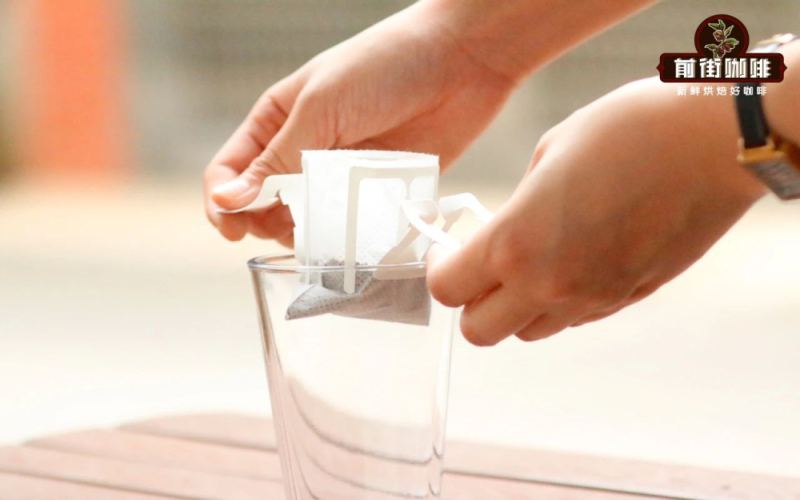
How to determine the ground coffee-to-water ratio for drip bag coffee? Key points on brewing water temperature and freshness, plus shelf life explained
Drip bag coffee has become a daily choice for many people thanks to its convenience—with just a cup and a kettle of hot water, you can easily get a cup of coffee that approaches the flavor of pour-over. However, to get the ideal taste out of drip bag coffee, there are three key details you must pay attention to: the freshness of the coffee grounds, the water temperature, and the ratio of coffee to water. This article will explain these three aspects, and introduce the different flavor types of Front Street Coffee drip bag coffee one by one, including four products: tea-like, floral, fermented fruity, and rich and mellow. It will also provide specific brewing steps and methods for adjusting the strength, helping you consistently make a delicious cup of drip bag coffee at home. [more…]

The Correct Way to Drink illy Espresso Ground Coffee: Medium Roast Brewing Ratio and French Press Operation Guide
illy, as a long-established Italian coffee brand, produces pre-ground espresso powder that is not an instant product; it requires a filter tool or an espresso machine to complete extraction. For home or office settings, Front Street Coffee recommends using a French press for immersion brewing. This article will introduce the blending characteristics of illy espresso powder, its differences from instant coffee, and, using 15 grams of powder as an example, the specific brewing parameters and operational details, helping coffee enthusiasts easily make a rich, full-bodied cup of coffee. [more…]
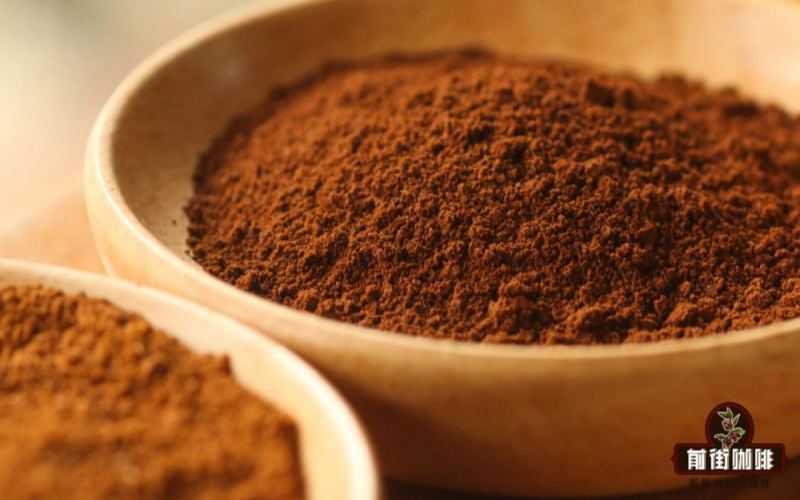
Brewing with Coffee Grounds | Can you use espresso grounds for pour-over coffee? What are the key points to note when making pour-over black coffee with fine coffee grounds?
Recently, a customer asked Front Street what to do when the coffee beans they bought were ground too fine, suitable for making espresso. I believe many friends have encountered this situation: the ground coffee they bought turned out to be too fine. If brewed with the usual pour-over parameters, it would definitely over-extract. Does that mean it has to be thrown away and can't be used? Today, Front Street will share with everyone [more…]
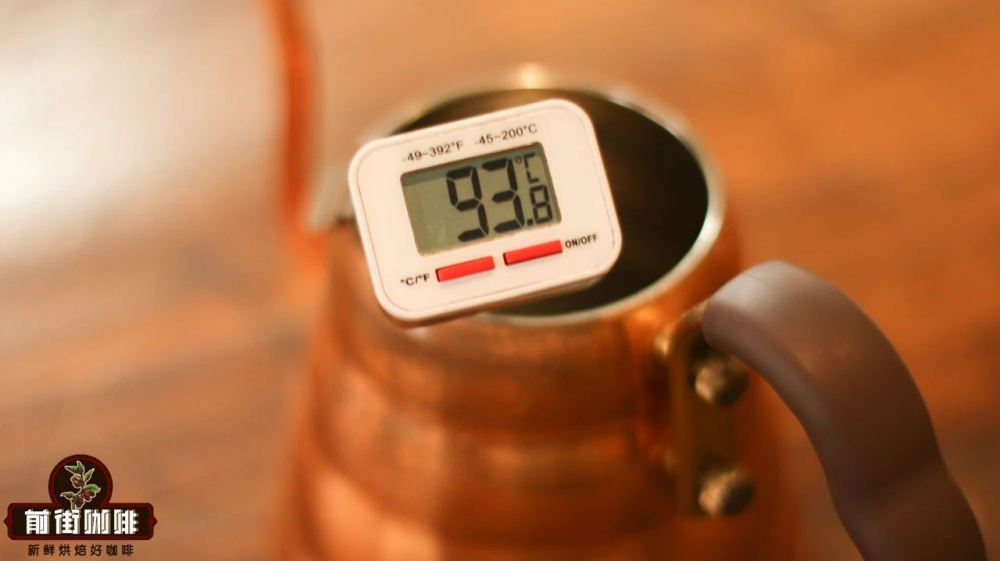
Coffee Ground Size Standards Illustrated | How to Use a Coffee Sieve? Moka Pot and Espresso Bean Grind Size Parameters, Extraction Ratio, and Time Introduction
There are many factors that affect the taste of coffee. During the brewing process, the factors that influence coffee include the coffee-to-water ratio, grind size, water temperature, etc. Among them, grind size can be said to be very important. There is a saying in the industry: "You can buy a cheaper coffee machine, but the grinder must be the best." It has to be said that grinding really has an [more…]
A Comprehensive Analysis of Cold Brew Coffee Ground Size, Flavor Characteristics, and Caffeine Content
Cold brew coffee, through its low-temperature, long-duration extraction process, presents a flavor profile completely different from hot brewing. This article will systematically explain the extraction principles of cold brew, how to manage grind size, how to adjust the water-to-coffee ratio, and where its mild sweet-and-sour, clean and smooth mouthfeel comes from. At the same time, using "Front Street · Washed Fruit Dingding" as an example, it shares the specific steps and flavor performance of making cold brew at home, and explains the rough estimation of cold brew caffeine content and the reasons why cold brew turns sour. Whether you are a beginner just starting out or an advanced enthusiast looking to adjust parameters, you can find practical references here. [more…]
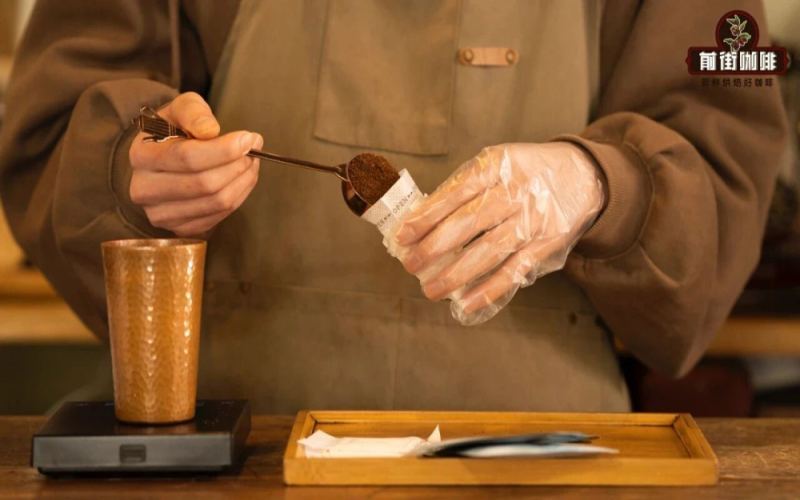
Key points on the water-to-coffee ratio and water temperature for brewing drip bag coffee, and an analysis of the characteristics of freshly ground Yirgacheffe drip bag coffee
Drip bag coffee evolved from pour-over filter paper extraction, with the aim of allowing consumers to quickly and conveniently enjoy a cup of black coffee. Unlike instant products that have a single flavor profile and contain sugar and creamer, drip bag coffee is made by grinding whole coffee beans and sealing them in a filter bag, thus presenting the diverse flavors of beans from different origins. This article covers the details of drip bag coffee brewing, including the coffee-to-water ratio, water temperature, choice of cup, and pouring technique. It also introduces three well-regarded seasonal drip bag coffees from Front Street Coffee—Yunnan small bean, Indonesian Mandheling G1, and Brazilian Cerrado Red Bourbon—and analyzes the aroma retention characteristics of Yirgacheffe drip bag fresh-roasted freshly-ground coffee. Once you master these brewing essentials, drip bag coffee can be just as good as pour-over. [more…]
How Coarse Should Hand-Brewed Coffee Be Ground? A Complete Standard Analysis from Sieve Pass-Through Rate to Brewing Technique
In the world of pour-over coffee, grind size is one of the key variables that determines the success or failure of a cup. If the coffee grounds are ground too fine, it easily leads to over-extraction and a bitter taste; if ground too coarse, it leads to under-extraction and a weak, watery flavor. So is there a reference standard for pour-over coffee grind size? Through extensive practice, Front Street Coffee uses a 0.85mm sieve as the benchmark, taking a grinding degree with a sieving pass rate of about 80% as the pour-over reference, and for medium-light roast and medium-dark roast coffee beans gives specific recommendations of a 75-80% and 70-75% pass rate through a No. 20 sieve. This article will systematically explain the mechanism by which grind coarseness affects flavor, sieve testing methods, tool choices for beginners, and Front Street's approach to grind size settings when brewing single origins such as Ethiopian washed Yirgacheffe, while also sharing practical points such as the three-pour method, coffee-to-water ratio control, and coffee bean freshness, to help coffee enthusiasts build a stable and reproducible pour-over system. [more…]
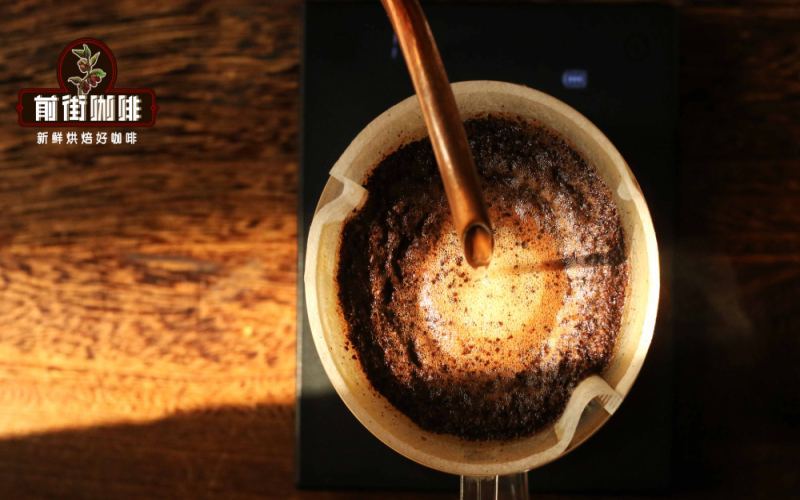
How Is Coffee Ground Size Classified? An Analysis of Grind Size Differences from Extra Fine to Coarse and the Standards for Pour-Over
The essence of coffee extraction is using water to dissolve flavor compounds out of coffee beans, and among the several core variables that determine extraction results, grind size is often the most intuitive and the one that most needs precise control. The finer the coffee is ground, the faster water penetrates into the particles to extract compounds, and the more flavor can be dissolved in the same amount of time, naturally making the taste richer; conversely, the coarser the particles, the lower the extraction efficiency, and the coffee easily tastes weak. So how many levels of grind size are commonly available on the market? What grind levels suit espresso, pour-over, and French press respectively? And how does Front Street Coffee use a 0.85mm standard sieve to define the baseline for pour-over grinding? This article will break down, one by one, the mechanisms by which grind size affects taste, sort out the coarseness spectrum from Turkish pot to French press, and provide a reusable method for judging pour-over grind size. [more…]
Can Espresso-Ground Coffee Be Used for Cold Brew? A Detailed Guide to Immersion Ratios, Time Adjustments, and Practical Methods
Cold brew is widely recognized as the lowest-barrier way to make iced coffee—all it takes is steeping in cold water. But many coffee lovers wonder: can espresso-ground coffee, which is extremely fine, also be used to make cold brew? This article explores that question. It first outlines cold brew's flavor characteristics and bean selection recommendations, then provides the standard cold brew water-to-coffee ratio, grind size, and step-by-step instructions. Finally, addressing the particular nature of espresso grounds, it explains how to avoid over-extraction by shortening the steeping time and increasing the water-to-coffee ratio, with specific parameters and tasting suggestions included. The article recommends suitable beans such as Front Street Coffee's Huakui, Butterfly, Strawberry Candy Espresso, and Indonesian Lintong Mandheling, helping readers easily make clean, delicious cold brew at home. [more…]
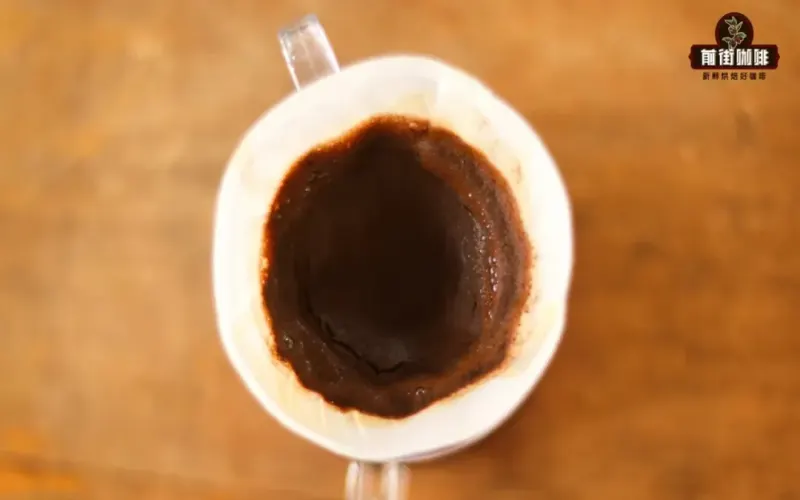
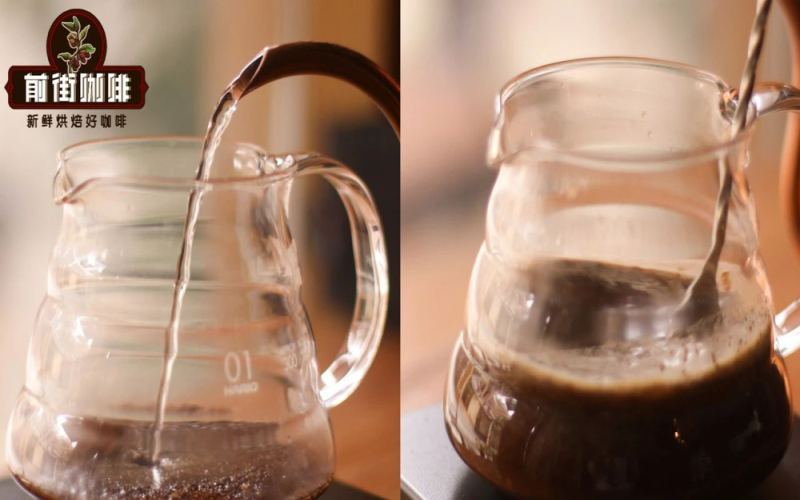
How to Fix Coffee Ground Too Fine for Pour-Over? Muddy Flow Stirring Brewing Method Explained and Practical Parameters Shared
When brewing pour-over coffee, if the filter basket ends up with a thick, muddy bed of grounds instead of distinct, granular particles, it often means the coffee was ground too fine, which easily leads to over-extraction. When faced with the dilemma of pre-ground coffee that cannot be made coarser, besides switching to immersion extraction, there is another distinctive approach using high concentration and low extraction—the mud flow. It uses extremely fine grinding combined with agitation to rapidly dissolve flavor compounds in a short time, then dilutes with hot water, resulting in coffee with a normal extraction yield and full flavor. In this article, Front Street will explain in detail the principles and specific operating parameters of the mud flow, helping you easily tackle the problem of coffee grounds that are too fine. [more…]
Pour-Over Coffee Tips | Freshly Roasted Coffee Beans, Freshly Ground Coffee: How to Brew a Delicious Black Coffee? Ethiopian Washed Gutingding Black Coffee Pour-Over Parameters Shared
With the growing popularity of specialty coffee culture, more and more coffee enthusiasts are starting to study at home how to brew pour-over coffee in order to bring out the flavor of single-origin coffee beans, but they don't know how to do it. They always feel that the coffee they brew doesn't taste as good as what they drink in a café. So how can you brew out the flavor of a single-origin coffee bean? [more…]
Portable Coffee Recommendations | What Is Drip Bag Coffee? What Are the Wrong Ways to Brew Specialty Drip Bag Black Coffee? What Is the Right Coffee-to-Water Ratio for Drip Bag Coffee?
For more specialty coffee knowledge, please follow our WeChat public account: Front Street Coffee (FrontStreet Coffee). In recent years, coffee culture has continued to deepen, and many coffee lovers need a cup of coffee every day to have the energy to "grind away." However, not everyone can always go to a coffee shop to savor it properly. [more…]
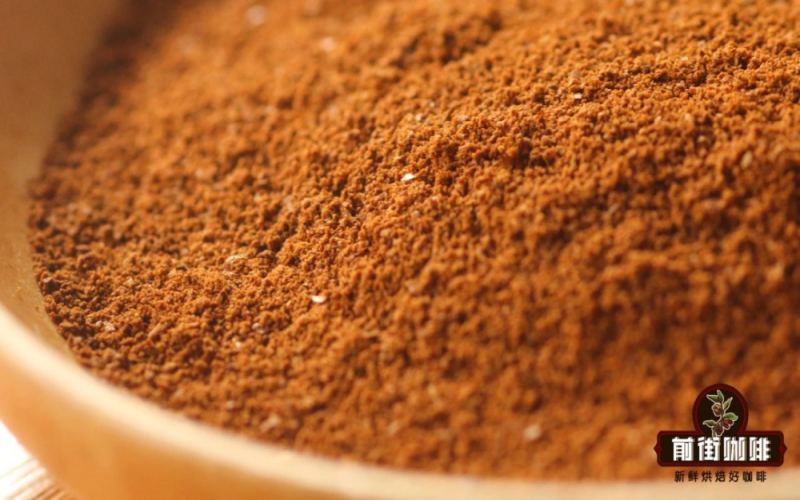
A Detailed Explanation of the Bitterness Difference Between Drip Bag Coffee and Instant Coffee and the Correct Way to Brew Drip Bag Coffee
Which is actually more bitter, drip bag coffee or instant coffee? Can drip bag coffee be left steeping in water the whole time? These questions puzzle quite a few coffee lovers. From the perspective of Front Street, this article first clarifies the essential differences between freshly ground coffee and instant coffee, then takes a deeper look at the flavor characteristics and correct brewing points of drip bag coffee. The article not only explains why drip bag coffee is more bitter than instant coffee, but also details the drip bag brewing method recommended by Front Street Coffee's baristas, including the coffee-to-water ratio, pouring rhythm, and water volume control, to help you brew a cup of good coffee that is light in body, with lemony fruit acidity and a green tea-like sweet finish. [more…]
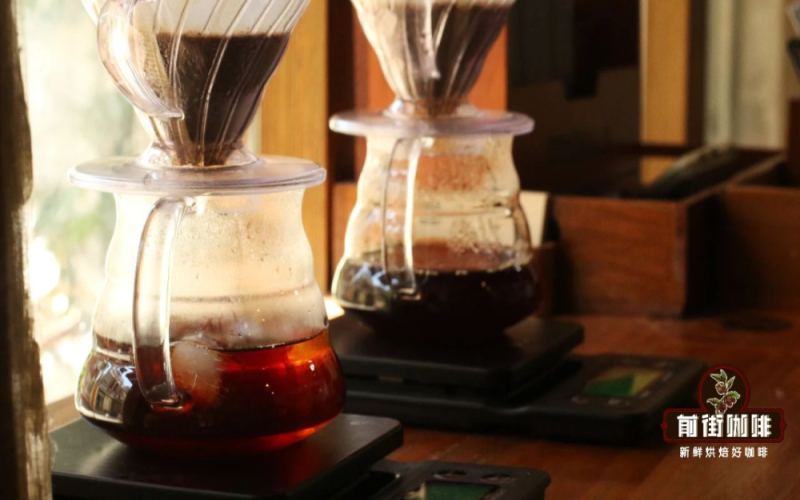
How Much Coffee Grounds Should You Use for a French Press? A Detailed Guide to Grind Size, Coffee-to-Water Ratio, and Oil Performance
The French press is simple to use and delivers consistent results, making it the first choice for many coffee enthusiasts just getting started. But how much coffee grounds to use, how coarse the grind should be, and how to set the water temperature directly determine whether a cup of French press coffee turns out well. This article goes through the French press's coffee dose, coffee-to-water ratio, grind coarseness, water temperature, and brewing time one by one, and compares the crema differences between espresso machines and moka pots, helping you see the true level of crema in French press coffee. The article also includes Front Street Coffee's complete French press brewing steps and parameter recommendations, so even beginners can follow along and replicate a stable, delicious cup of French press coffee. [more…]
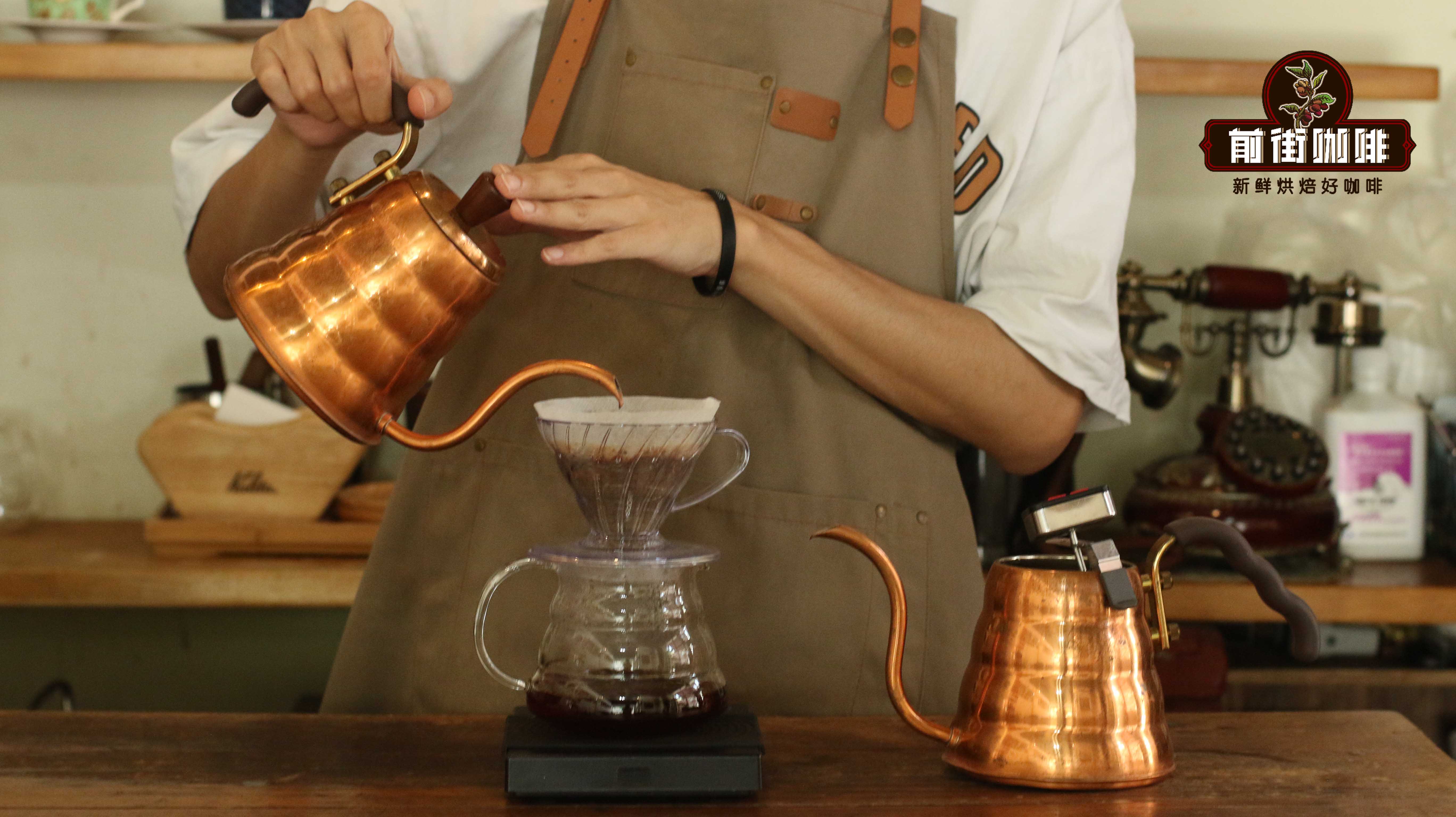
Pour-Over Coffee Ground-to-Water Ratio Tested: Using Blue Label Geisha as an Example, Which Ratio from 1:15 to 1:18 Is More Suitable?
Among the many variables in pour-over coffee, the coffee-to-water ratio is often overshadowed by grind size and water temperature, yet its influence on the final flavor profile cannot be ignored. Using the Blue Label Geisha from Panama's Hacienda La Esmeralda as a sample, Front Street Coffee fixed the grind size, water temperature, and brewing technique, changing only the coffee-to-water ratio, and conducted comparative brews with four parameter sets: 1:15, 1:16, 1:17, and 1:18. By recording the extraction time and flavor performance of each cup, the differences in coffee concentration, complexity, sweetness, and aftertaste under different ratios were analyzed, offering a reference for ratio selection when brewing flavor-rich beans like Geisha in daily practice. [more…]
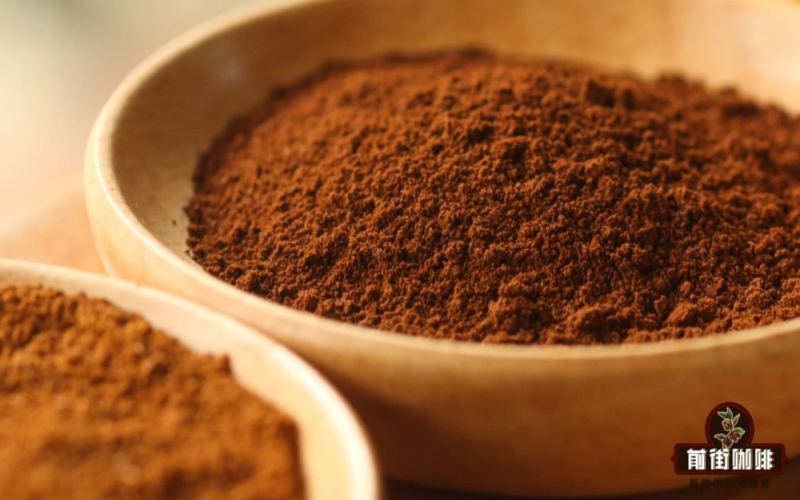
Can espresso-fine coffee grounds be used for pour-over? A detailed explanation of the feasibility and key points of brewing with fine grounds
Coffee enthusiasts often grind their purchased coffee beans into espresso-level fine powder, yet don't know how to handle it—if operated according to regular pour-over parameters, it easily leads to over-extraction. So, can espresso-grind coffee powder actually be used for pour-over or cold brew? And how should the brewing plan be adjusted? In this article, Front Street Coffee uses medium-dark roasted Front Street Mandheling as an example, analyzing the precautions for pour-over with fine powder one by one, from dripper selection, water temperature setting, coffee-to-water ratio to pouring technique, and provides a practical comparison of two coffee-to-water ratios, 1:15 and 1:10, to help you master fine-grind coffee powder at home and avoid waste. [more…]
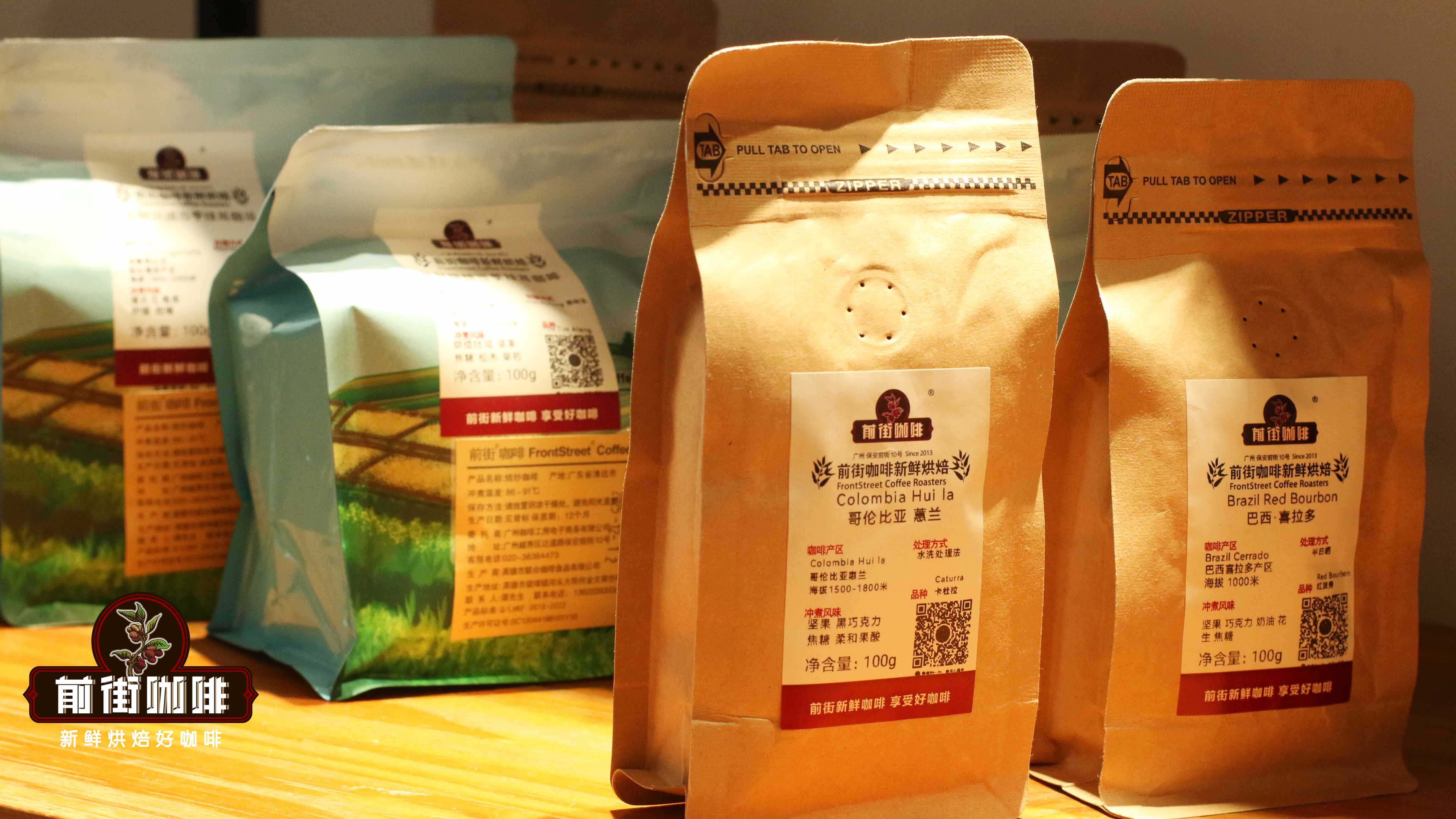
Pour-Over vs. Espresso | What's the Difference Between Hand-Ground Coffee and Machine Coffee? What Types of Hand-Ground Coffee Beans Are There? Recommendations for High-Value Light, Medium, and Dark Roast Pour-Over Beans
What is the difference between hand-ground coffee and machine coffee? We'll take the most common espresso machine as the representative of machine coffee, while hand-ground coffee is most commonly used to make pour-over coffee. Today, Front Street will compare the differences between the two and also recommend the types of coffee beans suitable for hand grinding. Machine [more…]